April 16, 2024
National Advocacy: Senate LTC Workforce Hearing Response: Make Bold Changes, Says LeadingAge
Katie Smith Sloan also recommends refinements to Sen. Casey's Long-Term Care Workforce Support Act introduced April 15
LEARN MORE
April 16, 2024
Katie Smith Sloan also recommends refinements to Sen. Casey's Long-Term Care Workforce Support Act introduced April 15
LEARN MOREApril 17, 2024
Use LeadingAge tools, tips, and tactics to showcase the connections you help older adults build to maintain physical, mental, and emotional health.
LEARN MORE
April 11, 2024
Nursing Home Workforce Support and Expansion Act would fund wage and educational subsidies, childcare, transportation, paid leave, and more.
LEARN MOREApril 16, 2024
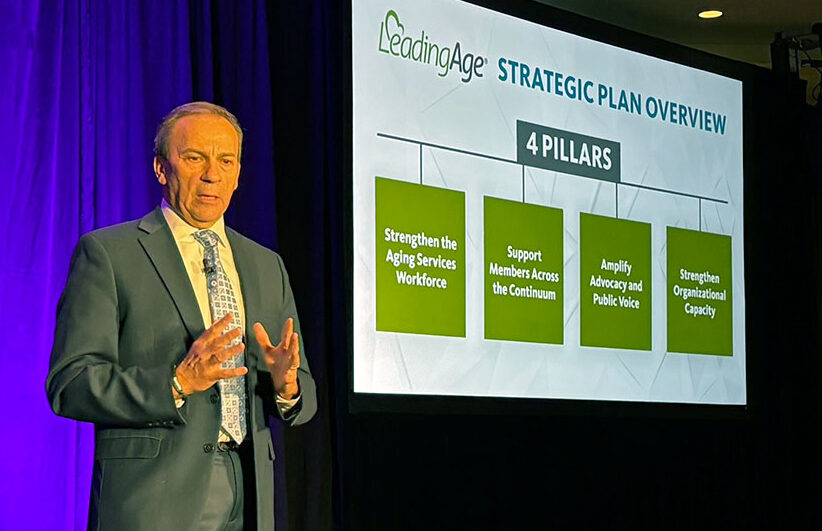
On day 2 of the Leadership Summit, Muñiz introduced the four pillars of the new 2024-26 plan to guide LeadingAge.
READ MORE
Katie Smith Sloan also recommends refinements to Sen. Casey's Lon...
LEARN MORE
Use LeadingAge tools, tips, and tactics to showcase the connectio...
LEARN MORE
Nursing Home Workforce Support and Expansion Act would fund wage ...
LEARN MORE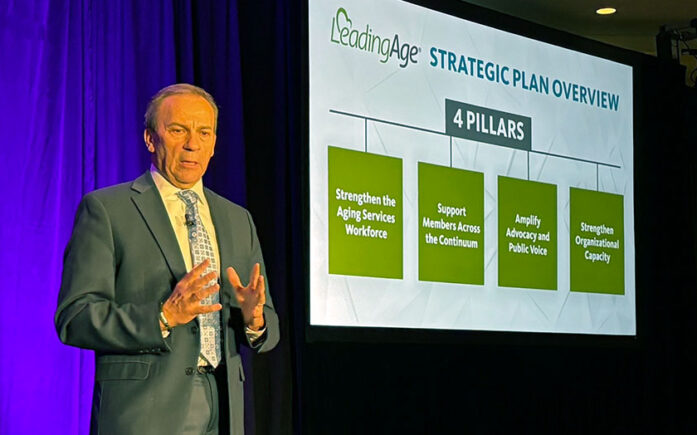
On day 2 of the Leadership Summit, Muñiz introduced the four pil...
READ MORELeadingAge is the trusted voice for aging. We are a community of over 5,400 nonprofit aging services providers and other mission-driven organizations serving older adults in states across the country.
Foreign-born staff have long been an essential component of the aging services workforce. Now, LeadingAge members are also exploring avenues to recruit and train refugees to join our field.
Learn More
Provider members of LeadingAge may be any mission-driven, voluntary, or government-sponsored organization providing housing or care for older adults. LeadingAge provider membership offers an exclusive range of benefits that gives your organization tools, resources, and business intelligence.

Our Corporate Partner Program offers business firms the opportunity to become LeadingAge members and connect with provider members.

Join LeadingAge as a student member and benefit from our education programs, scholarships, career development, and networking opportunities. The LeadingAge student membership will provide you with the resources you need to expand your expertise and begin a career in aging services.

We recognize that individuals and organizations that do not fit our criteria for provider membership should have the opportunity to join in our mission to make America a better place to age.
















 Info@LeadingAge.org