May 7, 2024
National Advocacy: House Proposal Extends Hospices’ Ability to Recertify Via Telehealth
Preserving Telehealth, Hospital, and Ambulance Access Act markup extends flexibility through 2026 with some limitations.
READ MORE
May 7, 2024
Preserving Telehealth, Hospital, and Ambulance Access Act markup extends flexibility through 2026 with some limitations.
READ MOREMay 6, 2024
As assisted living attracts more media interest, members can learn from LeadingAge media relations resources.
LEARN MORE
May 7, 2024
You may want to try all three, says Ninga “Zing” Shaw in Leadership Summit address.
LEARN MOREMay 7, 2024
June 17 is the deadline for Award of Honor and Joan Anne McHugh Award nominations; review the criteria today.
NOMINATE NOW
Preserving Telehealth, Hospital, and Ambulance Access Act markup ...
READ MORE
As assisted living attracts more media interest, members can lear...
LEARN MORE
You may want to try all three, says Ninga “Zing” Shaw in Lead...
LEARN MORE
June 17 is the deadline for Award of Honor and Joan Anne McHugh A...
NOMINATE NOWLeadingAge is the trusted voice for aging. We are a community of over 5,400 nonprofit aging services providers and other mission-driven organizations serving older adults in states across the country.
Foreign-born staff have long been an essential component of the aging services workforce. Now, LeadingAge members are also exploring avenues to recruit and train refugees to join our field.
Learn More
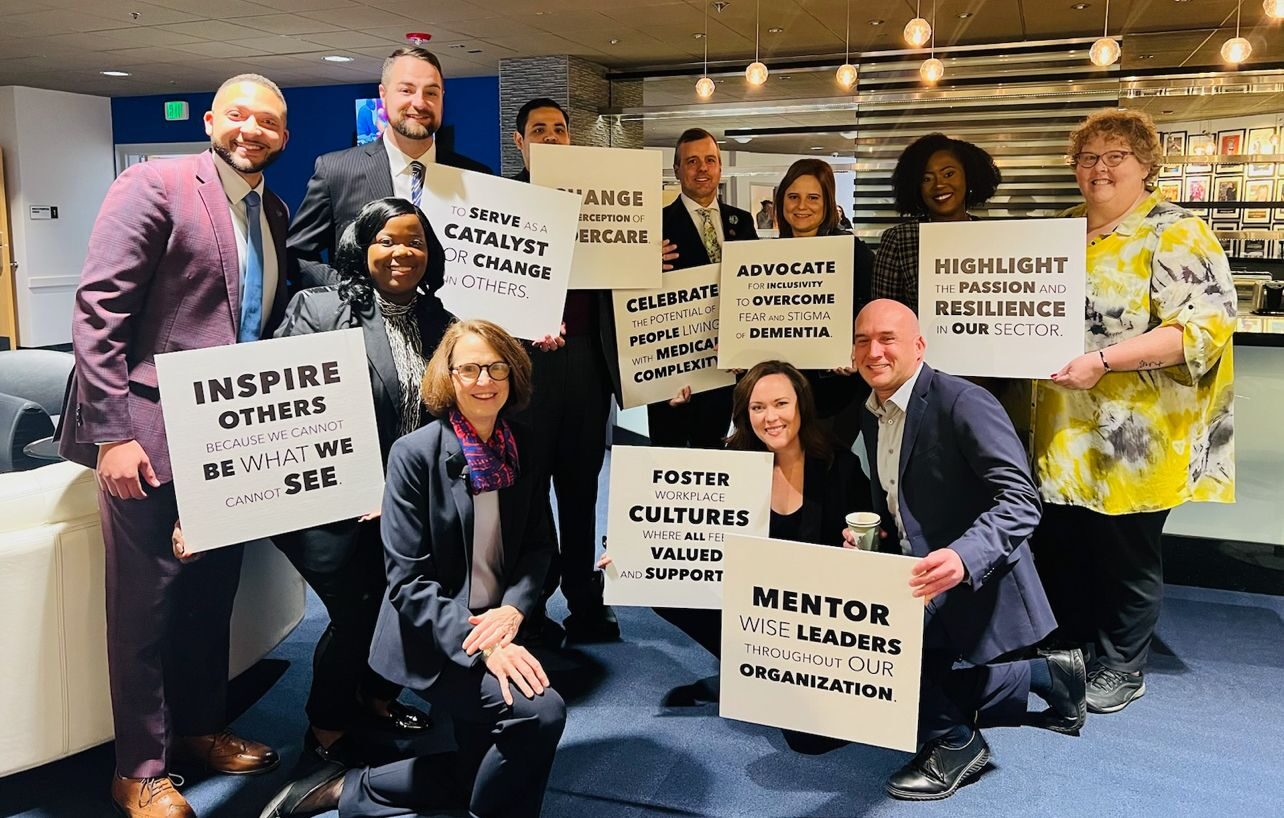
Provider members of LeadingAge may be any mission-driven, voluntary, or government-sponsored organization providing housing or care for older adults. LeadingAge provider membership offers an exclusive range of benefits that gives your organization tools, resources, and business intelligence.
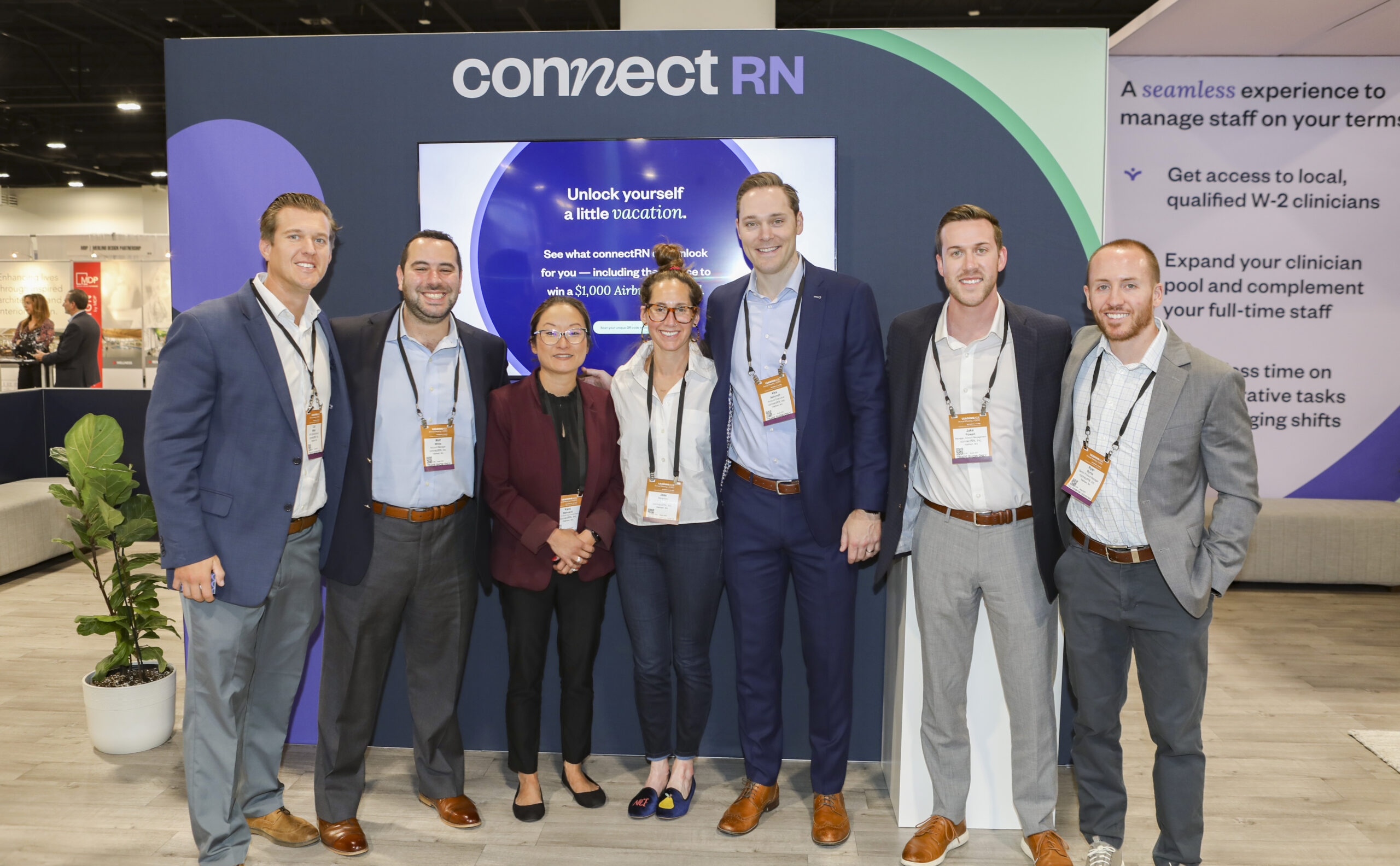
Our Corporate Partner Program offers business firms the opportunity to become LeadingAge members and connect with provider members.

Join LeadingAge as a student member and benefit from our education programs, scholarships, career development, and networking opportunities. The LeadingAge student membership will provide you with the resources you need to expand your expertise and begin a career in aging services.

We recognize that individuals and organizations that do not fit our criteria for provider membership should have the opportunity to join in our mission to make America a better place to age.


















 Info@LeadingAge.org