The WellElder program, which operates in 4 affordable senior housing properties in northern California, is a robust example of housing-with-services linkages, according to Supporting Aging in Place in Subsidized Housing: An Evaluation of the WellElder Program, an evaluation that the LeadingAge Center for Applied Research conducted using funds from The SCAN Foundation.
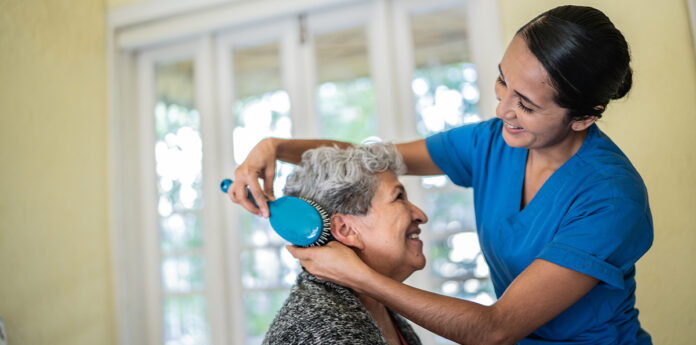
Through the WellElder program, a nurse health educator and a resident service coordinator use wellness and health education, health monitoring, and individualized service coordination to help elderly residents maintain their health and independence.
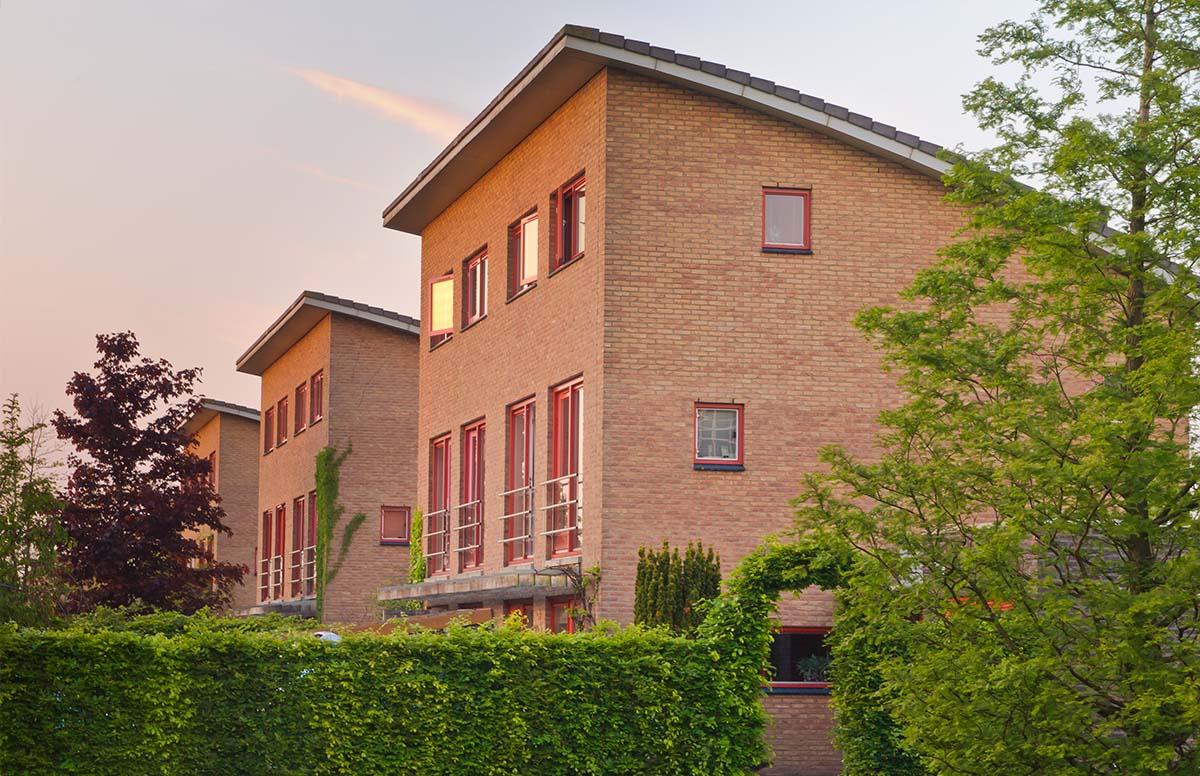
WellElder is available in the San Francisco Bay-area to residents of 3 properties operated by Northern California Presbyterian Homes and Services (NCPHS) and 1 property operated by Bethany Center Senior Housing. Each community is a federally subsidized independent rental property designed for low-income seniors aged 62 and above. All 4 properties are extremely diverse communities where the majority of residents tend to be of Chinese or Russian origin. Like many low-income residents of subsidized housing, residents also have significant health needs.
How WellElder Works
The WellElder service coordinator and nurse health educator assist residents in areas that utilize their respective professional training and skills sets. For example, service coordinators are adept at navigating the service network and spend a good deal of their time helping residents identify community resources that can help enhance their quality of life. Nurse health educators focus their energies on encouraging and empowering residents to manage their health-related needs.
Often, the nurse’s interaction with WellElder members begins with regular blood-pressure checks, which are available on a drop-in basis when the health educator is on site. These and other vital-sign checks help nurse health educators to find out more about residents’ health issues and to provide health assessments and education while building trusting relationships that often lead to additional service usage.
While service coordinators and health educators carry out distinct tasks, they often work together to assist residents with more complex needs and may also confer informally with members of the housing property’s staff. These staff members have frequent interactions with residents and play an important role in alerting the WellElder team about tenancy issues that could be related to a resident’s physical or mental health status.
Resident Participation and Satisfaction Rates
Residents of the 4 WellElder sites appear to be taking full advantage of the services provided by both the service coordinator and the nurse health educator. During an 8-month data collection period, between 45% and 83% of WellElder members in all 4 properties visited the service coordinator. Fewer residents saw the nurse health educator (33% to 47%), probably because these educators spend less time on site. A smaller, but still sizable, portion of members visited both the service coordinator and health educator during the 8-month period.
Most (93%) program members who responded to a self-administered survey said they believed WellElder was helpful and indicated that they would recommend it to a friend or neighbor. These residents, the WellElder teams and a majority of the housing property managers agreed that the program has a number of benefits. Accoording to the evaluation, WellElder:
- Enhances residents’ ability to age in place.
- Serves residents who are most in need.
- Offers residents easy access to services in a low-stress environment.
- Provides ongoing support with complex problems.
- Reduces residents' anxiety about health issues.
- Supports family members in their caregiving roles.
- Allows housing managers to focus on property maintenance and operations.
- Assists community-based health and service providers in coordinating care.
Center for Applied Research evaluators cited several elements that make WellElder an attractive model for replication in other affordable senior housing communities seeking to help meet residents’ health-related needs. For example, the program:
- Builds on an existing service coordinator infrastructure.
- Is relatively low-cost.
- Fits within various regulatory environments.
- Allows housing properties to stay within their comfort zone.
For more information about the WellElder evaluation, you can read the 70-page Supporting Aging in Place in Subsidized Housing: An Evaluation of the WellElder Program. In addition, there is a 5-page project brief.